
Born and raised in northeastern B.C., Jen Simmons has watched natural gas grow from being an important employer in the region into a major driver of Canada’s economy.
Simmons, co-founder and CEO of Forefront Energy, wants to ensure a sustainable future by helping the industry reduce methane emissions.
“Anybody that grows up here and stays here ends up being directly or indirectly involved in the oil and gas industry,” said Simmons, who lives in Dawson Creek, a city of 12,000 about 600 kilometres northwest of Edmonton.
“My dad worked in the industry as an operator. Nathan, my husband and business partner, worked as an operator. So did his dad. My two sons, Wyatt and Oscar, have also started working in the industry. That’s not uncommon where we live.”
A family-built solution
What is unique is that this family of oil and gas professionals has worked together to develop methane reduction technologies for producers in the Montney natural gas heartland and beyond.

Photo courtesy Forefront Energy
As provincial and federal governments set methane reduction targets, they saw an opportunity to cut fuel use and emissions at the wellsite by finding a different way to supply power.
“Nathan and his brother were working in a gas plant in the region in about 2019 when talk about methane regulations first started. They were brainstorming how to make power using the pressure of the wellhead,” Simmons said.
“They wound up designing what would become our zero-emissions generator. They went to Nathan’s father’s shop and built a test model. They trialed it, and it worked.”
A faster path to market
While they waited for the generator to be patented, the family looked for ways to reduce methane emissions using technologies already available.
“What we learned is we didn’t have to wait for the zero-emissions generator to be patented. We could create power with solar and battery technology on a wellsite and get to market quicker,” she said.
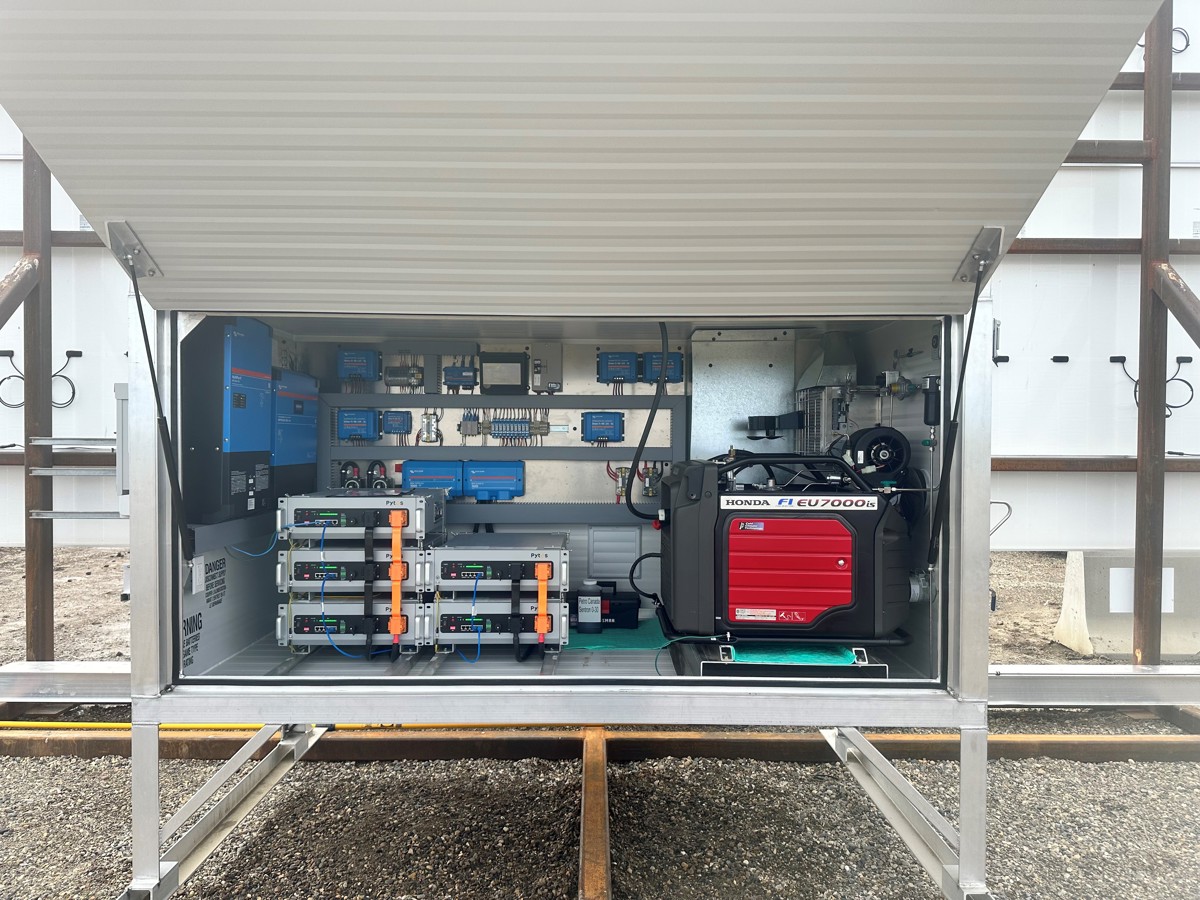
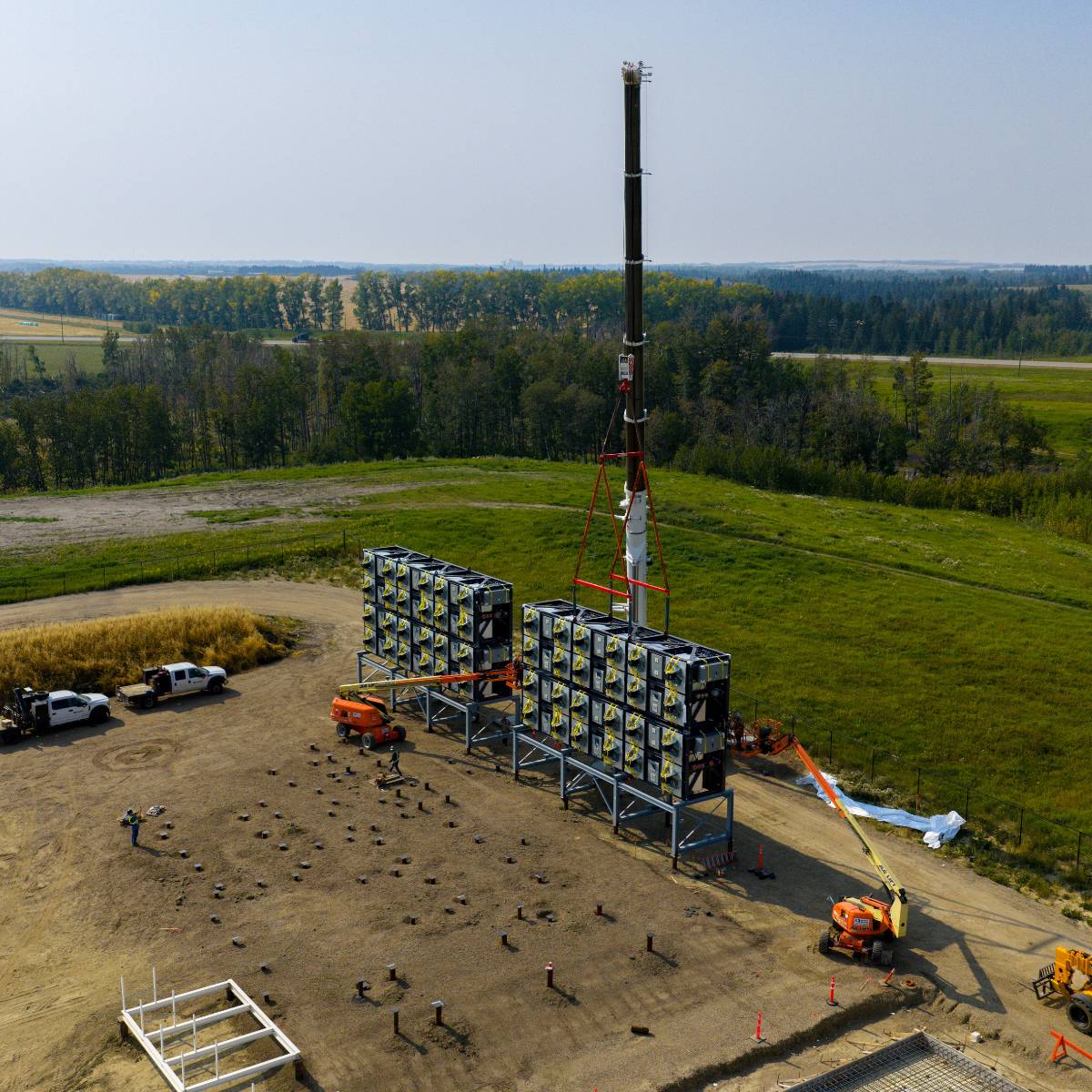
The company developed low-emission units that generate power by combining solar with a battery and a backup generator.
“We didn’t invent this. All we did was just take the solar package and batteries and put it together into a product that energy companies could plug into their current operations,” Simmons said.
“Our long-term goal always is to put our zero-emissions generator in our power units.”
Built for tough conditions
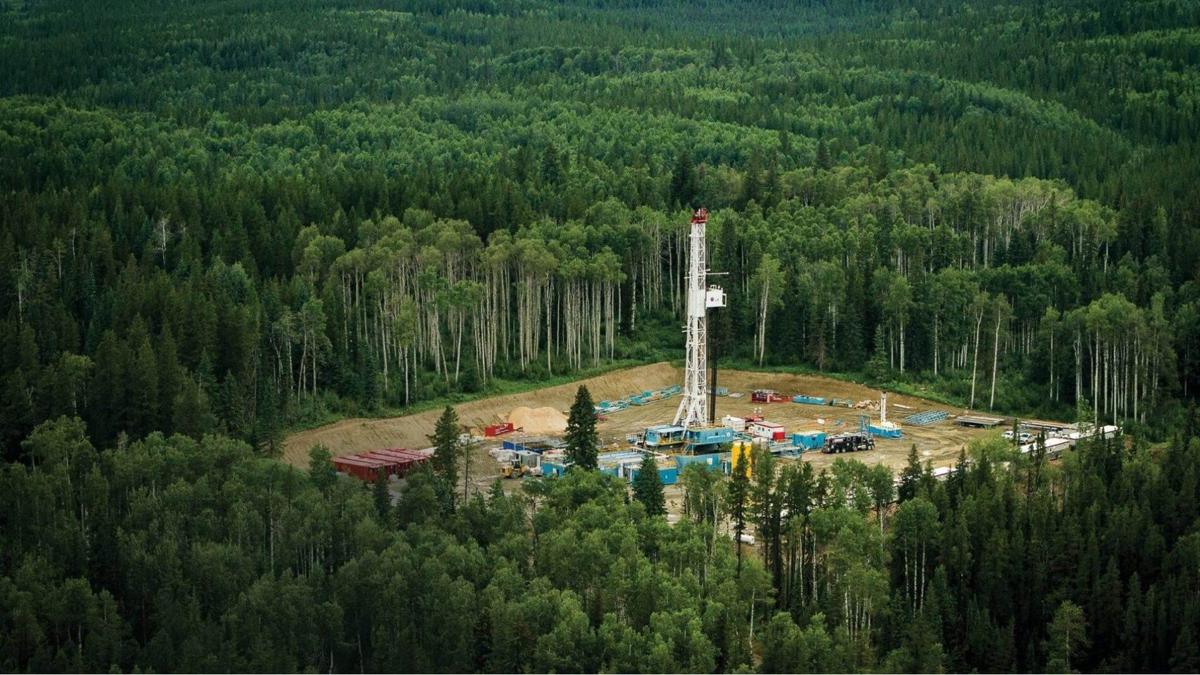
Being familiar with wellsites and the region’s sometimes punishing operating conditions helped the family develop power units that can withstand low temperatures during cold snaps.
“What’s super unique about us is we weren’t a group of engineers or scientists working in a lab. We were coming at it from the view of the operators, who didn’t have solutions available that worked,” she said.
“It really came from being hands-on on a wellsite for 20-plus years, and wanting to do better for the industry.”
From trials to commercial use
Forefront has worked with government and industry organizations to develop and validate its technologies, including National Research Council Canada, NGIF Accelerator and Petroleum Technology Alliance Canada (PTAC).
The company’s engagement with the PTAC community reflects “a strong commitment to developing practical, impactful solutions that address some of our energy sector’s most pressing challenges,” said PTAC CEO Lauren Savoie.
Simmons said working with those organizations helped move the company’s ideas into commercial use.
“We were able to get trials done on our technologies through NGIF as well as assessments completed by PTAC, which were incredibly helpful. It really helped oil companies feel more secure in trying the technology on their well site,” she said.
Forefront’s experience illustrates a broader trend in Canada’s oil and gas sector, where innovators have access to an ecosystem of industry partners, public programs and private capital to help move emissions-reduction technologies from an idea to commercial deployment.
An ecosystem for commercialization
NGIF is part of that ecosystem. Toronto-based NGIF Capital, which started a $50-million Cleantech Ventures Fund in 2021, has partnered with Canadian energy companies including ARC Resources, Birchcliff Energy, Tourmaline, TC Energy, ATCO, FortisBC and TriSummit Utilities, to invest in new technologies.
“The NGIF platform embeds commercialization pathways directly into the innovation process,” NGIF CEO John Adams wrote in the firm’s 2025 Cleantech Ventures Performance Report.
One example of a technology funded by NGIF that has fully commercialized is robotic pipeline inspection developed by Arix Technologies.
At a Houston-area refinery, NGIF reports the technology completed inspection work up to seven times faster, reduced overall inspection costs by 37 per cent and achieved 85 per cent coverage of insulated piping assets without scaffolding or insulation removal.
But many of the technologies supported through NGIF involve detecting, measuring or reducing methane emissions — reflecting a wider trend in the industry.
“We’ve seen technologies adopted where there is a clear value proposition for companies,” said Bryan Helfenbaum, chief operating officer of the Calgary-based Clean Resource Innovation Network.
“You need a real ecosystem where there is access to funding, whether it is public or private equity. And you need policy incentives set by governments. When those ingredients are in place, you will see success.”
Methane targets spur innovation
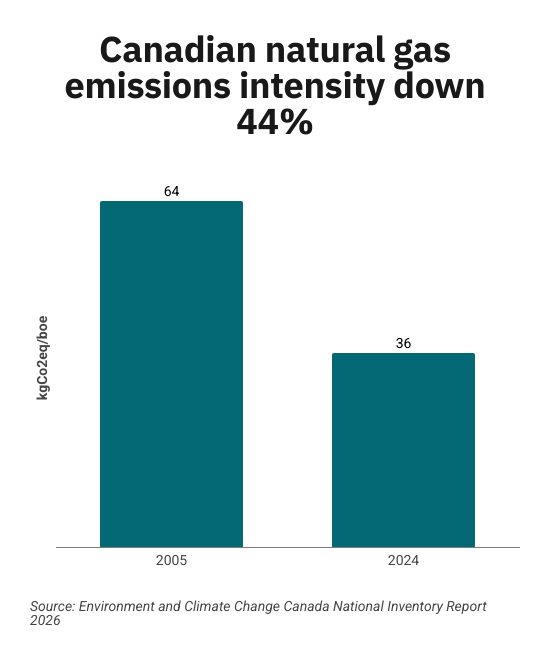
Technology innovation has helped oil and gas producers in B.C. and Alberta surpass government methane reduction targets.
In Alberta, producers achieved a 45 per cent reduction from 2014 levels in 2022, three years ahead of schedule. By 2024, emissions had fallen by 51 per cent.
B.C. producers also exceeded the province’s 2025 target two years early, reducing methane emissions by 51 per cent as of 2023.
“Policy alignment unlocked public funding, which then unlocked private funding. And the ecosystem that was created did a really good job in organizing itself to bring together innovators, entrepreneurs and industry around developing technologies,” said Helfenbaum, who previously worked at Devon Energy and Alberta Innovates.
The targets have been backed by capital for technology development.
This year, Emissions Reduction Alberta’s Methane Reduction Deployment Program received $22.4 million to fund new technologies from Alberta’s Technology Innovation and Emissions Reduction program.
The federal government also announced $19.4 million for the program from its Low Carbon Economy Leadership Fund.

Private capital looks beyond methane
The investment trend extends beyond methane technologies.
Carbon capture, utilization and storage (CCUS) is attracting the most significant capital investment, said Jeanette Jackson, RBCx’s national director of cleantech.
Canada, led by Alberta, has been an early leader in CCUS. Since 2015, projects in Alberta have safely stored more than 18 million tonnes of CO₂ — equivalent to taking 4.2 million cars off the road.
The sector could grow significantly, with the Oil Sands Alliance targeting a 2027 final investment decision on the proposed Pathways project, one of the world’s largest planned CCUS developments.
“Oil sands producers are pursuing CCUS as a practical path to reducing emissions while maintaining production. It opens up a full spectrum of infrastructure financing opportunities, from construction loans to bond issuance,” Jackson said.
Meanwhile, CCUS innovators are building new Alberta projects and advancing new technologies like direct air capture.
Jackson pointed to recent capital raises as a sign of market momentum, including $317 million from the Canada Growth Fund for carbon capture technology company Svante in 2024, supplementing a US$318-million Series E raise in 2022.
She noted that RBC has committed to triple its low-carbon energy lending to $35 billion by 2030.
“There’s no shortage of exciting innovative cleantech solutions in the oil and gas space in Canada,” Jackson said.
More technology to come
Helfenbaum sees additional opportunity for CCUS with enhanced oil recovery, where carbon dioxide from industrial sources is injected into mature oil fields. The process can increase oil recovery while storing CO₂ underground.
“We have the pore space, the infrastructure, and the experience with projects. Shame on us if we’re not world leaders in carbon capture, because we’ve got everything we need to do that,” he said.
Helfenbaum expects the range of cleantech options to grow if new oil sands operations are developed, creating opportunities to deploy newer technologies in greenfield projects rather than retrofitting older facilities.
“Once companies really start looking at new greenfield opportunities, they will be looking for the best available technologies and processes for those operations,” he said.
For Forefront, the value of that broader ecosystem is already tangible: it helped a family-built idea from northeastern B.C. prove itself in the field and earn the confidence of producers.
“What we’ve done is show we can be sustainable. We can be good for the environment while getting oil and gas out of the ground,” Simmons said.
The unaltered reproduction of this content is free of charge with attribution to the Alberta Energy Centre.


