From a single spot on the surface, oil and gas producers in Western Canada can drill kilometres underground in multiple directions to reach vast energy resources.
Now, four companies have received funding to apply that expertise to a different resource: heat deep beneath the Earth’s surface.
Geothermal projects were the biggest winners in Emissions Reduction Alberta (ERA)’s recent Drilling Technology Challenge, receiving $20.8 million of the $37 million awarded.
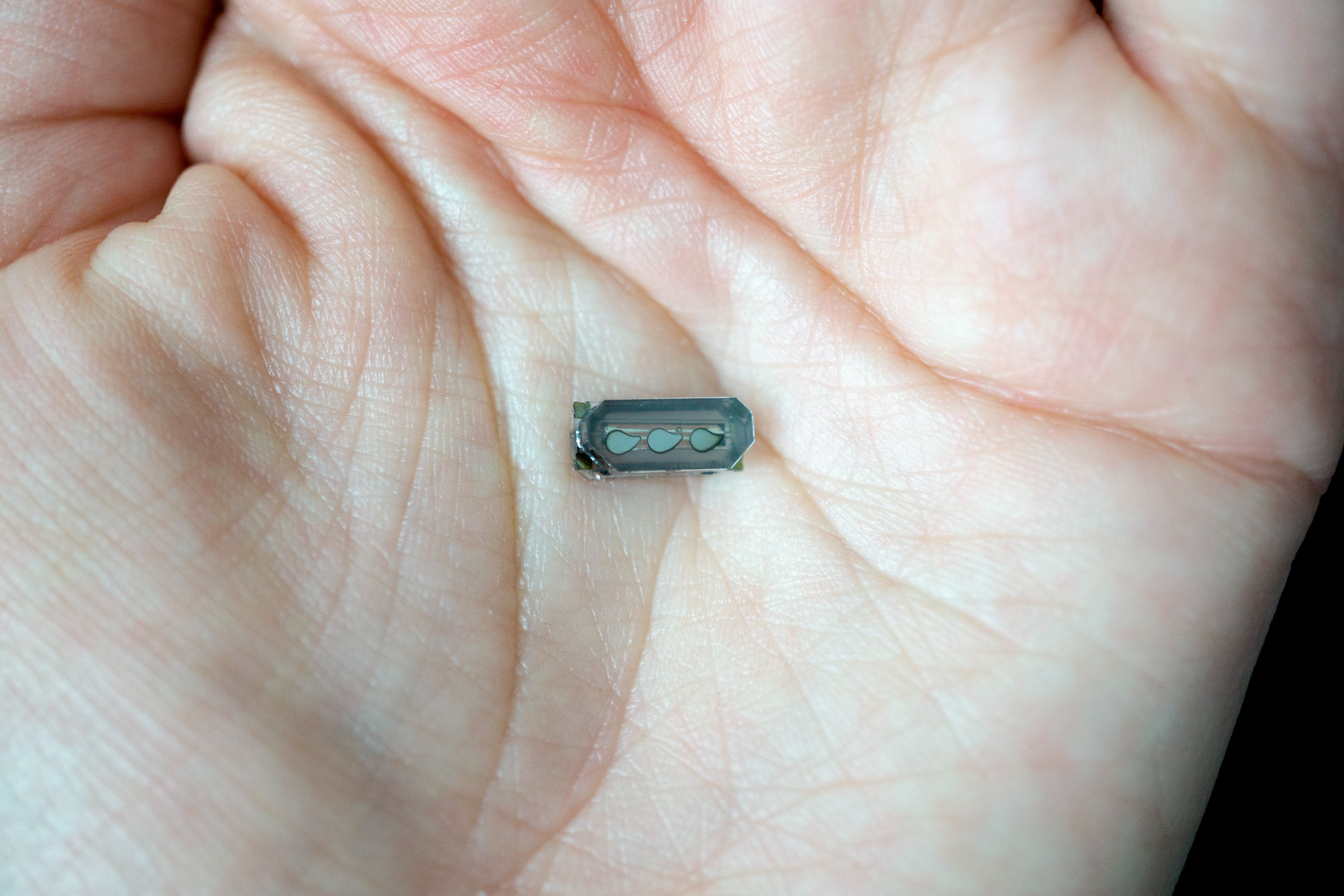
The funding will help demonstrate technologies designed to make geothermal development easier and less expensive — from an electric drilling robot to pressure sensors capable of operating at temperatures above 200°C.
“The market opportunity for geothermal is worth billions and billions of dollars,” said ERA CEO Justin Riemer.
“Alberta geology is not necessarily ideal for geothermal. Where the province excels for geothermal is the development of drilling technologies. We have the skills, the people and the infrastructure needed to scale and commercialize those geothermal projects elsewhere.”
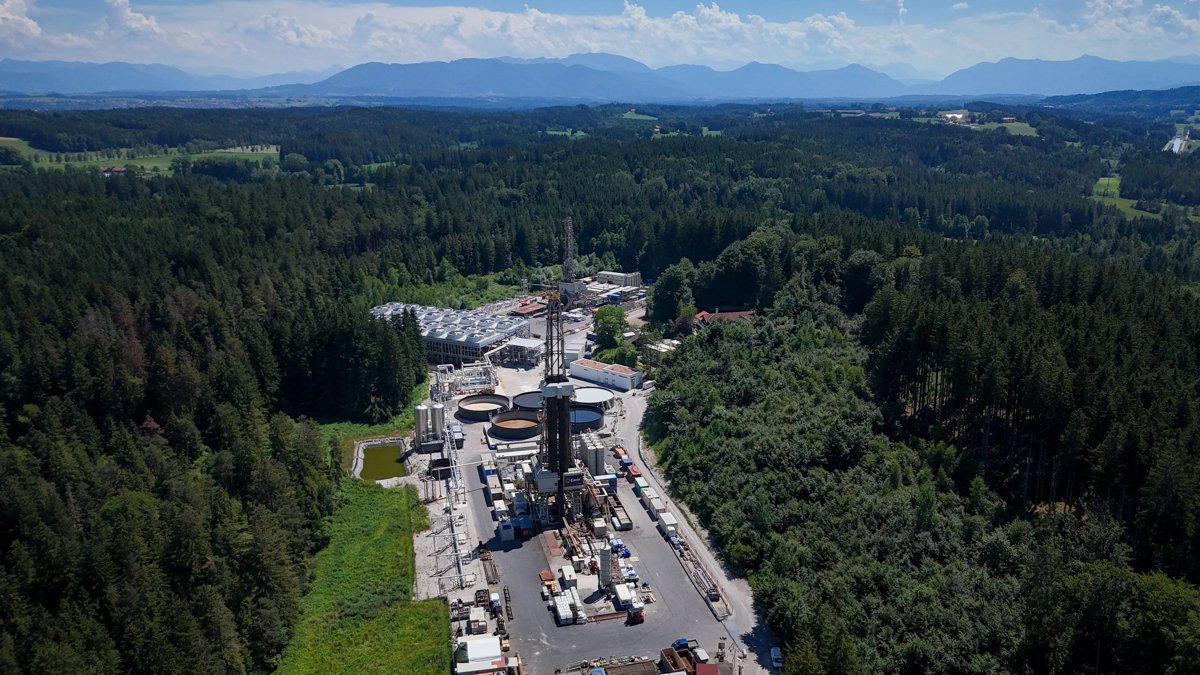
Drilling is one of the biggest costs facing geothermal developers, particularly in places where the hottest resources are far below the surface.
“While we’ve seen a lot of geothermal development in places like Iceland, where the heat is close to the surface, the industry now has to develop the expertise to find the deeper reserves, much like what the energy industry has done in Alberta,” said Steve Grasby, a senior research scientist with the Geological Survey of Canada and former president of Geothermal Canada.
That creates an opportunity to export Alberta’s drilling technology and expertise to geothermal markets around the world.
The Drilling Technology Challenge is funded through Alberta’s Technology Innovation and Emissions Reduction (TIER) program, which collects payments from large industrial emitters and reinvests in emissions reduction technologies.
Drilling deeper for heat
Geothermal energy uses heat from beneath the Earth’s surface to generate electricity or provide heating for homes and buildings.
Wells bring hot water or steam to the surface, where the heat can be used directly or the steam can turn turbines to generate electricity.
Unlike wind and solar power, geothermal is a renewable energy source that can operate around the clock regardless of weather conditions.
The challenge is reaching the heat economically.
Four technologies put to the test
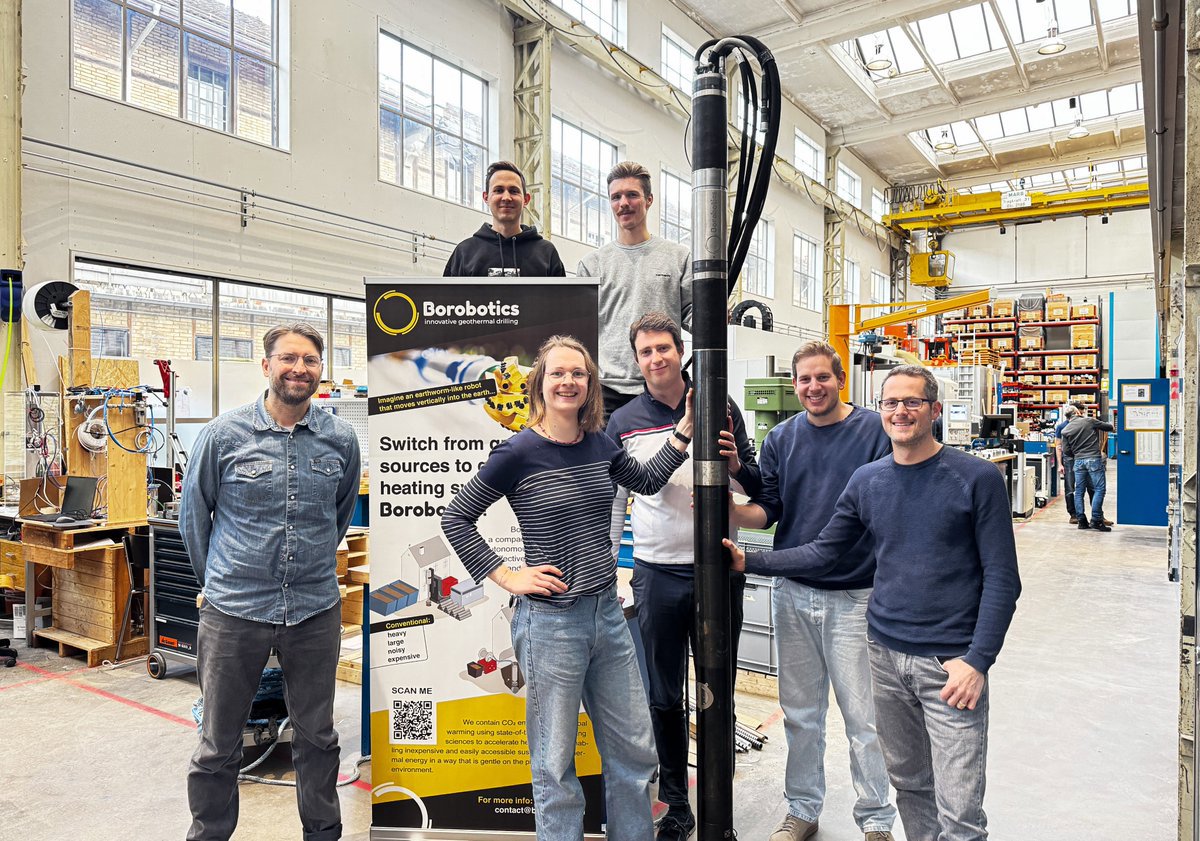
Borobotics AG, Eavor Technologies, Phase Advanced Sensor Systems and Rodatherm Energy all received ERA funding.
Two of the demonstrations will take place in Switzerland and Utah, but Riemer said Alberta will still benefit through investment, jobs and the development of skills and technology.
“Each of these projects has a strong net benefit for Alberta, whether that be job creation, economic value of investment or acquisition of specific skills,” he said.
About 30 per cent of successful projects previously funded by ERA have gone on to generate sales or attract customers outside Alberta, Riemer noted.
“Technology doesn't have borders, and we need global skills and expertise from around the world to help our competitiveness,” he said.
Expertise with global potential
Grasby believes Canada can build a larger geothermal industry at home while exporting the drilling expertise developed through decades of oil and gas production.
That expertise was one reason the World Geothermal Congress was held in Calgary in June, he said.
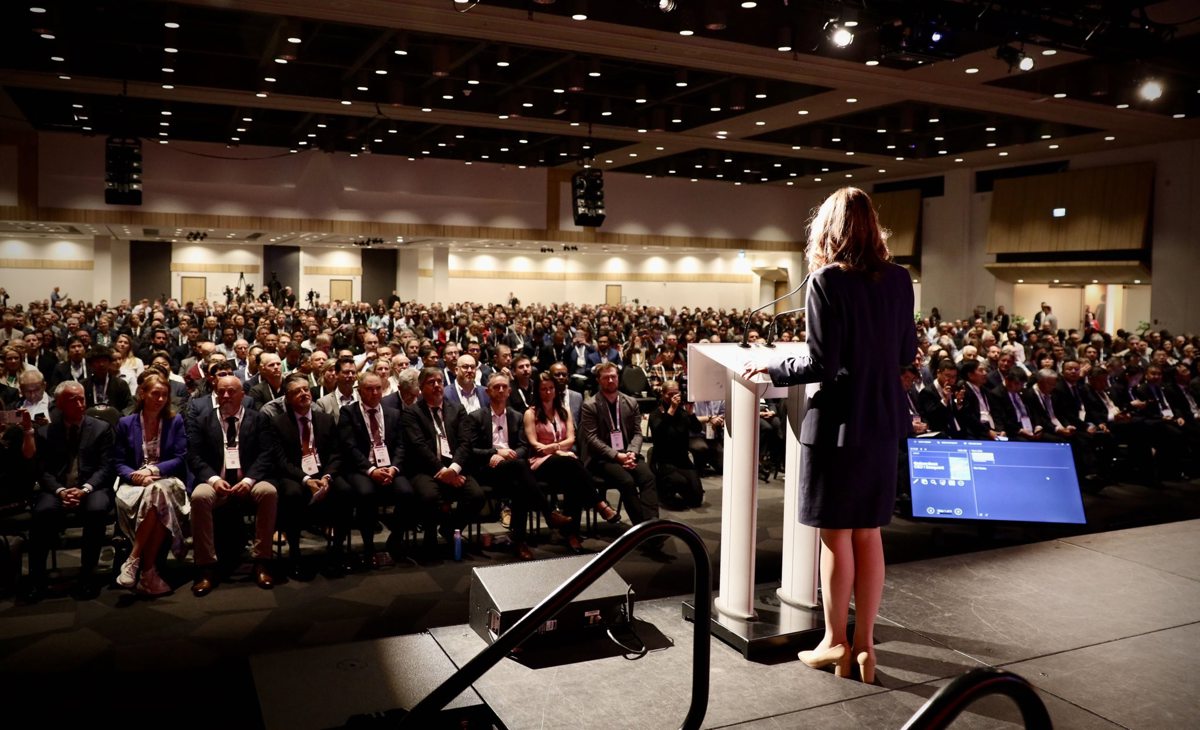
“They didn't come here to see our geothermal plants because we don’t have many of them,” Grasby said.
“They came to learn about Canadian drilling technology and exploration capabilities.”
He compares geothermal today with the early days of oil and gas, when developers first targeted resources that were relatively easy to find and access.
“We have found the easy places to develop geothermal,” he said.
“Canada does possess the expertise that's needed to kind of unlock the next wave.”
An old idea gets new attention
Canada has explored geothermal energy for decades.
Governments began studying its potential in the 1970s as soaring energy prices sparked interest in alternatives to conventional fuels.
When energy prices eased, much of that interest faded, Grasby said.
Today, several projects are again exploring geothermal as a lower-emissions source of electricity and heat.
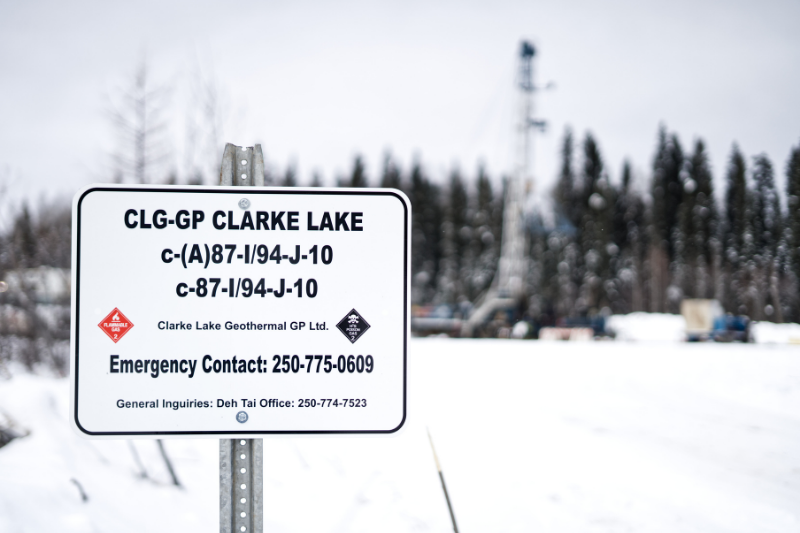
Fort Nelson First Nation’s proposed Tu Deh-Kah Geothermal project in northern B.C. is designed to produce between seven and 10 megawatts of electricity.
Near Swan Hills, about 220 kilometres north of Edmonton, Futera Power commissioned a 21-megawatt hybrid facility in 2023 that uses both geothermal energy and natural gas.
Canada’s geothermal power industry remains small compared with global leaders. The United States has about 3,477 megawatts of installed geothermal capacity, followed by Indonesia and the Philippines.
The unaltered reproduction of this content is free of charge with attribution to the Alberta Energy Centre.


